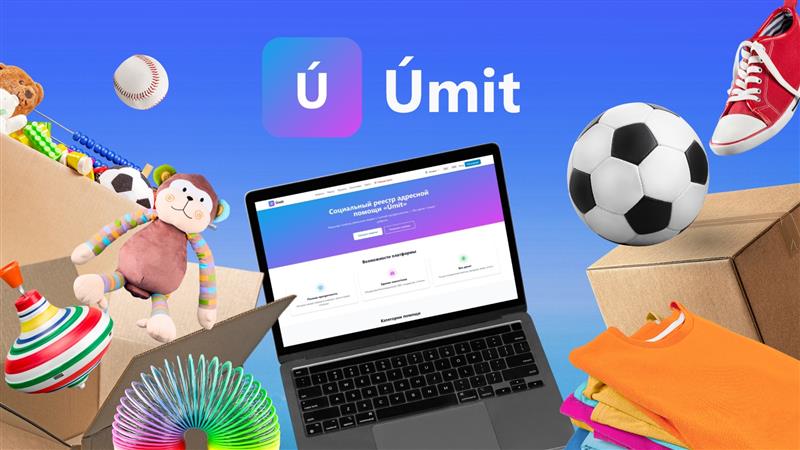
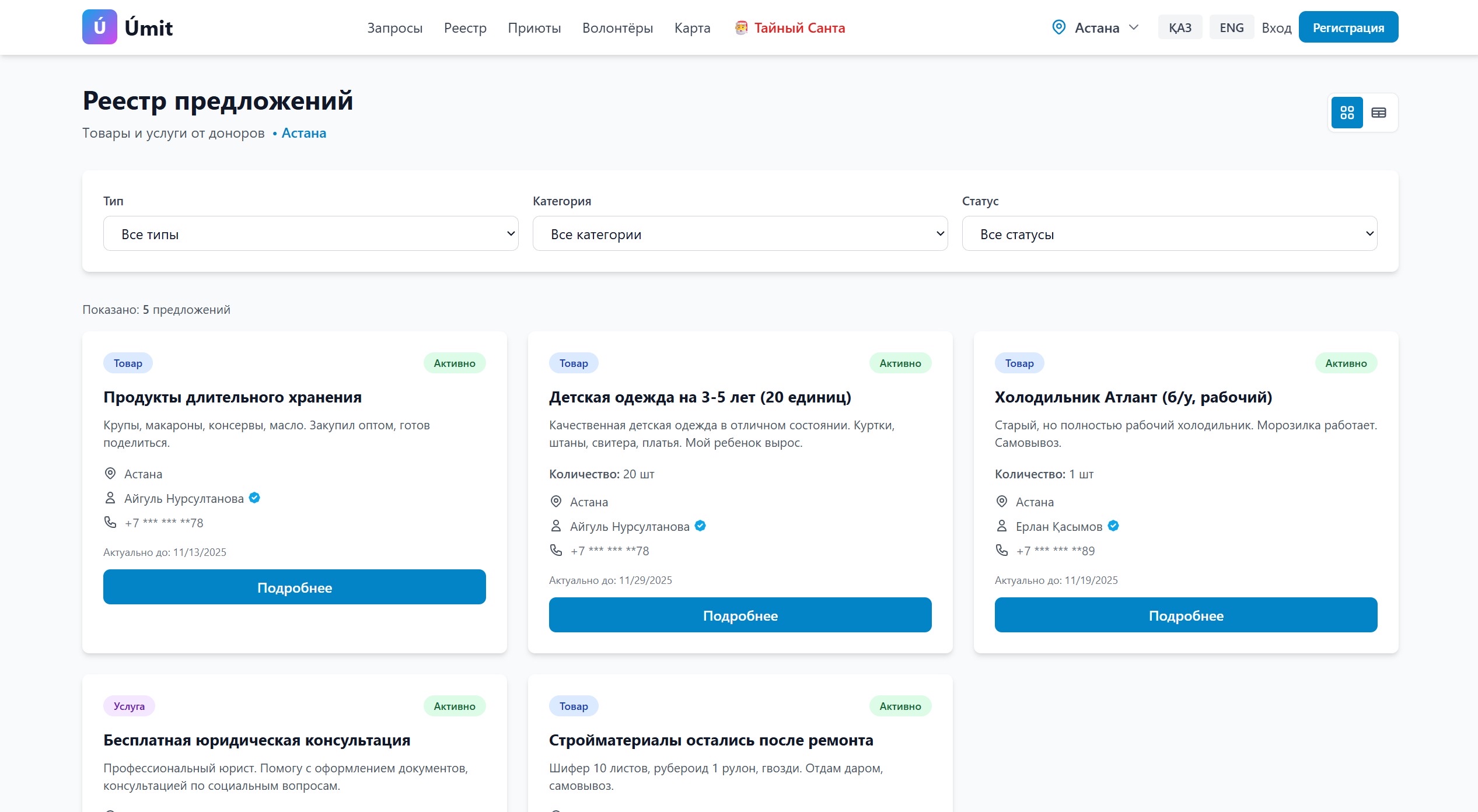
The digital platform Úmit.asia has officially launched in Kazakhstan. The project is designed to systematize the coordination of targeted charitable assistance and to eliminate issues related to transparency and duplicated support. The platform functions as a unified social registry where volunteers and donors can provide specific types of assistance or services directly to families in need, without financial transfers. This approach aims to improve trust, efficiency, and accountability in charitable work.
This approach helps prevent situations in which the same family receives assistance multiple times while others are left without support. It also reduces the risk of fraud. Úmit.asia uses a multi-level data verification system: each family undergoes a mandatory in-person visit by volunteers, and every instance of assistance is recorded in the platform.
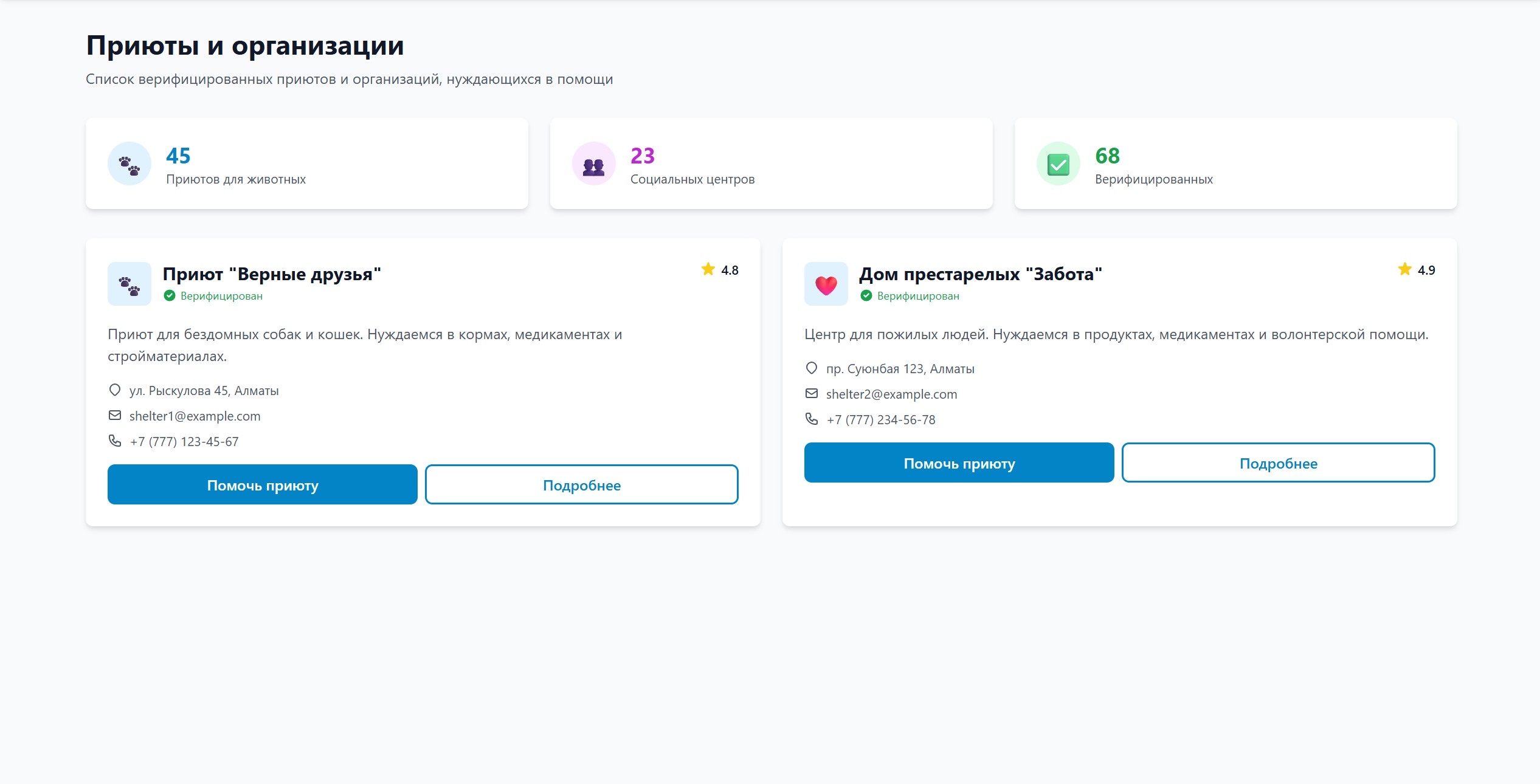
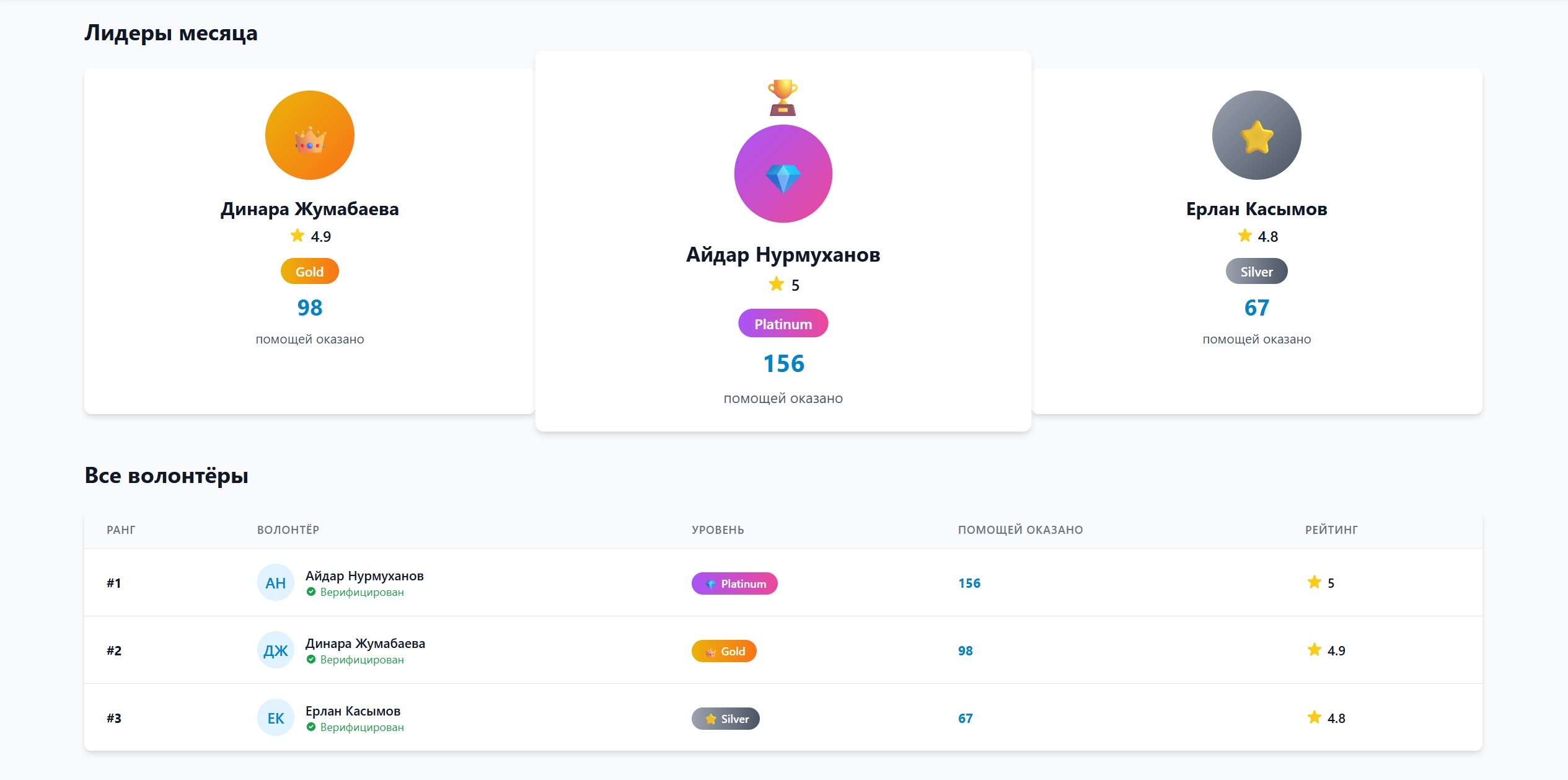
The platform’s functionality includes the automatic matching of requests with offers of help, as well as coordination between charitable foundations and volunteers. The system also prioritizes urgent requests, such as emergencies caused by fires, floods, and other crises, allowing resources to be allocated more efficiently. Users can choose to support a specific charitable organization, shelter, or an individual request, for example, home repairs or the purchase of essential items for a family. Assistance is usually non-financial: volunteers validate requests, provide support, and receive points for their work, which helps track and encourage long-term engagement on the platform.
The project aims to support families with children who are in difficult life situations, including large families, single parents, and families raising children with developmental disabilities. The founder of the platform, Maxim Marchenko, Director of MAXICO and a member of Astana Hub, has more than 10 years of volunteer experience. He has been actively involved in coordinating humanitarian aid during the pandemic, as well as during floods and wildfires.
In 2026, the team plans to expand the platform’s functionality by adding expert support, including lawyers, teachers, and doctors, as well as launching a mobile application for volunteers. The project also plans to introduce blockchain technology to protect data and ensure the integrity and immutability of assistance records.